
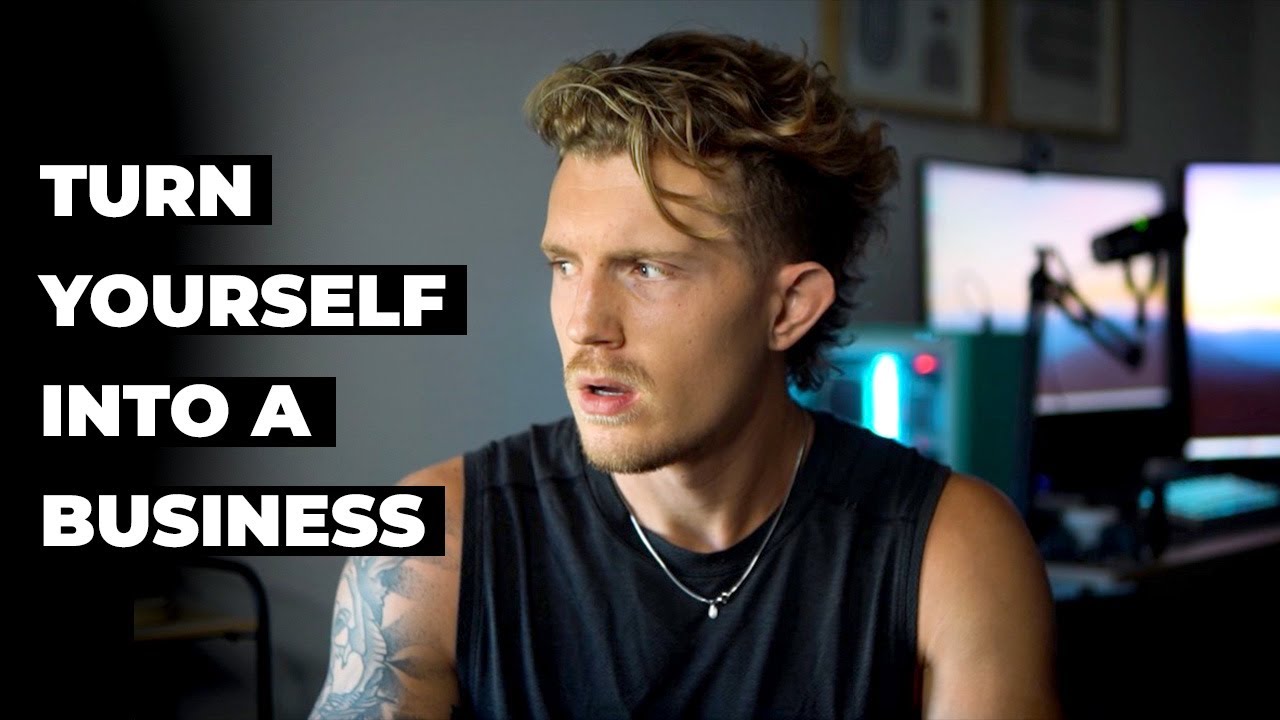

Dan Koe’s Blueprint: How to Turn Yourself Into a One-Person Business (With Zero Experience)
Ever felt a quiet itch to break out of the 9-to-5 hamster wheel and actually build something yours, solo? Maybe you’ve binge-watched Dan Koe on YouTube or scrolled through his ‘digital one-person business’ tweets (don’t worry, I’ve been there too: half-inspired, half-skeptical). Here’s the kicker: you don’t need an MBA or mad connections to start. I’ve tried this path, stumbled a little, and can promise it’s more about focused habits than hidden talent. This is your personal, myth-busting guide, clear, no jargon, and packed with real stories and tough-love tips. If you’re itching to launch a one-person business, but “where the heck do I start?” is on repeat in your head, you’re definitely in the right place.
What Is The One-Person Business Model?
So, what’s this all about? The one-person business model isn’t just a trendy LinkedIn buzzword or another hustle culture gimmick. In plain English: it’s building a full-fledged, profit-generating business, all run by you (yep, just you and your laptop or phone, usually in your living room). Think podcast hosts, newsletter writers, indie app developers, niche consultants, or the coaching folks you see on Instagram. You don’t need an office, weekly team meetings, or complicated HR policies. You need clarity, WiFi, and a splash of self-belief.
Some of my favorite real-world examples? Justin Welsh turned LinkedIn posts into a 7-figure solo biz. Steph Smith built online courses (while globe-trotting). Heck, even Dan Koe himself grew his business from scratch, armed with just Google Docs and big ideas.
Why Do People Fail With Their One-Person Business?
Let’s be real for a sec: most iterations of the “work for yourself, live your dream” advice are not wildly successful out of the gate. I’ve had more flop launches than Champagne moments (if you’ve ever sold precisely $0 after months of work, you feel me). Here’s why smart people still falter:
- No Clear Offer: Just being “motivated” isn’t enough. If your offer is fuzzy, no one buys.
- Trying to Please Everyone: Big mistake, I tried to appeal to everyone once. Crickets.
- Hustle With No Leverage: Grinding 24/7 without systems = burnout city.
- Shiny Object Syndrome: Launching new things every month (been there, costly).
- Lone Wolf Trap: Isolation brings doubt. Every successful solo founder I know has a digital or real mastermind group.
If you’re facing any of these, congrats, you’re not alone. Self-awareness is strangely underrated as a superpower.
2 Paths To Start A One-Person Business With Zero Experience
Zero experience? That’s not a blocker, it’s your competitive edge. Why? Beginners aren’t trapped by industry dogma. Here are the two main on-ramps:
Path 1) Skill Based
You already have a skill or hobby, writing, coding, design, cooking, even being entertaining on camera. You start by freelancing, consulting or selling services online. That’s how Vasavi Kumar parlayed years of communications coaching into a six-figure content consultancy, just started offering tips for free on social, then packaged her know-how into paid calls.
Mini-story: My friend Sam, literal Excel nerd, launched downloadable financial spreadsheets on Gumroad. Did he have a business degree? Nope. His first $100 sale happened in his pajamas, cue happy dance.
Path 2) Development Based
Maybe you don’t have a “marketable” skill yet. Totally normal. Here, you pick something that intrigues you, copywriting, Canva design, even podcast editing, and learn publicly. Build in public: tweet about your progress, share ugly drafts, document the process. This approach is magic: People follow your growth, trust builds, and (eventually) business opportunities find you.
Path 3) Both
Why not blend both? Maybe you refine your web design skills while publicly documenting the challenge of building 10 landing pages in 30 days. I’ve done both, launched as a total rookie, then layered on skills I picked up from YouTube and Skillshare. Hybrid approaches are gold when you’re impatient for progress but want long-term leverage.
Curious which path fits you? Try both, see what sticks. You can always pivot later, genuine self-discovery beats theoretical perfection any day.
Frequently Asked Questions about Building a One-Person Business
What is a one-person business and how does it work?
A one-person business is where you, and only you, run all aspects of the company—no team, no office, just your skills and tools. You can be a consultant, coach, writer, or creator, controlling your schedule and focusing solely on your unique offers.
How do I start a one-person business with no experience?
Starting a one-person business with no experience involves choosing a skill that interests you, learning publicly, and sharing your progress online. This approach, inspired by Dan Koe and others, helps build trust and attracts opportunities, even if you’re a total beginner.
What are the most common reasons one-person businesses fail?
Common reasons for failure include having an unclear offer, trying to please everyone, lacking leverage through systems, getting distracted by new ideas, and working in isolation without support or feedback from a community.
Can I turn a hobby into a one-person business?
Yes, you can turn a hobby into a one-person business. Start by offering services, consulting, or products related to your hobby. Many successful solo founders began by monetizing skills or interests they already enjoyed, using platforms like Gumroad or social media to launch.
What habits help you succeed as a one-person business?
Successful one-person business owners build daily habits around clarity of purpose, consistency, learning, and community engagement. Staying focused, building systems, documenting progress, and staying connected with like-minded people boosts momentum and reduces overwhelm.
Is the Dan Koe method for becoming a one-person business owner suitable for everyone?
The Dan Koe approach encourages starting small, learning publicly, and leveraging digital tools. It works well for self-motivated individuals who embrace learning and adaptability. While it may not suit those needing lots of structure, it empowers anyone willing to experiment and grow.
Be the first to review “Dan Koe – How To Turn Yourself Into A One-Person Business”
Related products
Business Courses

Business Courses
Business Courses
Business Courses
Business Courses
Business Courses
Business Courses

Business Courses
Reviews
There are no reviews yet.