
Pip Decks – The Ultimate Collection 2025 Review: Are These Creative Card Decks Worth It?
Ever hit that creative wall where your team just stares at each other, waiting for inspiration? You know, the dreaded brainstorm that starts with high hopes and ends with blank faces and coffee stains on the Post-its? That’s basically where I was when I stumbled onto Pip Decks, right in the thick of workshop fatigue.
But here’s the real question: Is “Pip Decks – The Ultimate Collection 2025” truly the magic sauce for creativity, or just a slick-looking distraction for your desk? You’re about to get my no-holds-barred review, stories, comparisons, the good, the bad, and the creatively questionable. If you’re wondering if a box of cards can honestly boost your team’s ideas, you’re in for a treat (and maybe a reality check). Let’s dig in.
What Is Pip Decks? Key Facts and Overview
Alright, here’s the scoop: Pip Decks is a UK-based company that churns out beautiful, cleverly crafted card decks designed for creative workshops, ideation, storytelling, product design, leadership, and problem-solving. In short, they turn how-to books and dense frameworks into friendly cards that are, let’s be honest, way less intimidating and a heck of a lot more fun to use in a group.
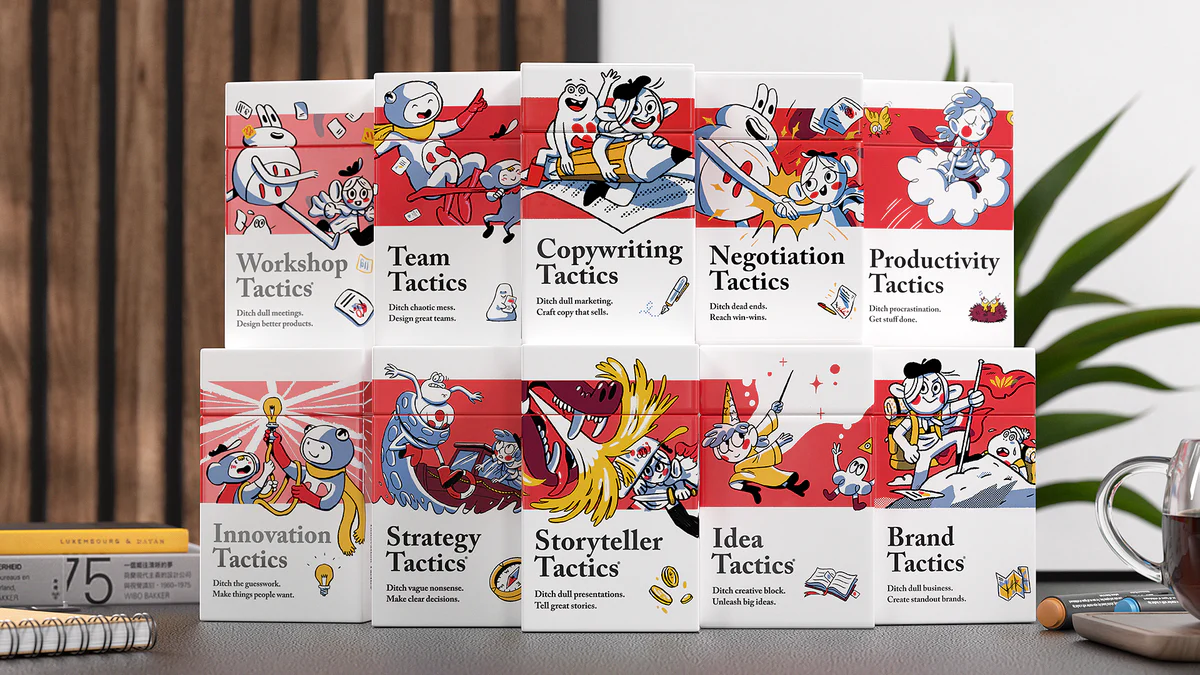
The 2025 “Ultimate Collection” is their premium, everything-in-the-box bundle: you get every Pip Deck released up to now, 12+ decks, including classics like Workshop Tactics and Storyteller Tactics as well as fresh releases like Team Tactics and AI Tactics. Plus, you get digital tools, online access, exclusive content (hello, Notion templates), and lifetime updates…
Quick facts:
- Founded: 2020 (yes, they’re the pandemic brainstormers)
- Core Decks: Workshop Tactics, Storyteller Tactics, Team Tactics, AI Tactics, and more
- Audience: Facilitators, designers, product leads, teachers, managers, startups, and anyone who hates boring meetings
- Price: The “Ultimate Collection 2025” retails for about $599 (I know, gulp, but let’s see if it justifies the splurge)
If you’re already picturing a stack of pretty cards gathering dust, hold on, there’s a reason why Pip Decks has fans from LEGO to Spotify. Let’s break down what really matters in a creative card deck.
Evaluation Criteria: What Matters in Creative Card Decks
So, you’ve seen a dozen different creativity tools. But what actually separates the winners from the decks you’ll use once and then lend to your neighbor’s dog for chewing practice? Here’s what I look for:
- Design & Quality: Are they sturdy enough to survive a rowdy workshop? Will the cards survive spilled coffee and stress fiddling?
- Content Depth: Do they offer more than surface-level prompts? (“Brainstorm wild ideas.” isn’t enough, thank you very much)
- Usability: Do you instantly get how to use them, or do you need a PhD in facilitation?
- Variety: Can you mix and match formats for different types of sessions?
- Accessibility: Does everyone in the group feel included and able to participate?
- Engagement: Are they actually fun to use, or just another thing the manager makes you do?
Why do I take these so seriously? Because creatives, and most humans, smell forced fun a mile off. If a card deck can’t truly spark ideas or make participants forget they’re in a meeting, it’s a glorified paperweight. Now, let’s see how Pip Decks stack up.
Design, Quality, and Usability
Walk into any office with Pip Decks and, trust me, folks notice. The packaging is seriously premium, thick, matte boxes with magnetic clasps, subtle illustrations, and that tactile, weighty feel that screams “not your average deck.” I once dropped the Storyteller Tactics deck on polished concrete (don’t ask), and didn’t even dent a corner.
Let’s break it down:
- Material Quality: Heavy-duty cardstock (laminated, but not slippery)
- Design: Color-coded edges, clear icons, and digestible text, no cramming or jargon
- Size: Fits perfectly in one hand, easy to fan out (and you won’t need Shaquille O’Neal hands)
- Usability: Each card gives you a simple action, summary, and a quick-start cue. No encyclopedias or complicated instructions needed
Real world test: I ran a team icebreaker with AI Tactics. Thirty seconds in, even the introverts jumped in. Nobody asked me, “what do we do again?”, which is rare praise in consultancy-land.
Minor gripes? The box magnets sometimes catch sleeves (maybe just me being clumsy), and there’s a lot of color. If you’re colorblind, it’s accessible but you may sometimes wish for symbols along with the color-coding. Still: hard to get design and feel wrong when your main competitor is cheap, generic cards off Amazon.
Content, Depth, and Range of Decks
Here’s where Pip Decks flexes. Each deck is laser-focused on a distinct purpose. For example:
- Workshop Tactics: 54 battle-tested methods to run better meetings, retros, or design sprints
- Storyteller Tactics: 54 frameworks for building killer presentations, content, or even selling ideas to execs
- AI Tactics: Bite-sized exercises on using large language models (like GPT-4) for actual productivity, not just novelty
- Team Tactics & Innovation Tactics: Everything from resolving team tension to sparking corporate creativity
But what really got me? Each card does more than toss a prompt your way. You get context, a clear multi-step breakdown, and often a real company example (Spotify or Google, that sort of thing). The decks don’t rehash clichés: they spark real movement. I once had a Workshop Tactics card turn a group of sleep-deprived engineers into a livewire pitch-fest, no exaggeration.
Depth check:
- Supporting digital resources: Each physical card links to extra guides, explainer videos, and even Notion templates (perfect for the “please, just tell me how to run this” crowd).
- Variety: The Ultimate Collection packs over 390 unique tactics, yes, I counted when bored during a train ride. If you can’t find something that fits, you’re either a creative genius or super grumpy.
Bottom line: The content isn’t shallow. The cards will push even the regular brainstormer into new territory.
User Experience: Accessibility and Engagement
If the decks weren’t dead-easy for new people, I wouldn’t be writing this review. Pip Decks is plug-and-play, you literally open a deck, fan the cards, and you’re off. No one stares blankly at the rules, and nobody gets left behind (I’ve run sessions with teens, execs, and tired HR folks: all survived).
Accessibility shout-outs:
- Language is simple, with clear instructions and minimal buzzwords
- Digital access means the entire deck is available online (no fighting over the last card, or losing it to the office plant monster)
- Inclusive prompts avoid jargon, making it great for mixed backgrounds
- Visual cues keep everyone oriented
Engagement win:
I brought Pip Decks to a family holiday, don’t laugh, my grandmother is savage at group scenarios. She loved leading with Storyteller Tactics. Nobody felt intimidated, and even my shy cousin, usually silent during games, pitched the wildest story.
Let’s not ignore the elephant: if your team “can’t stand creativity stuff,” Pip Decks won’t transform them overnight. But if you’re even a little open, the decks draw people in and make group work genuinely feel fun and natural.
Pros and Cons
Time for brutal honesty, a quickfire list, just for you:
Pros:
- Incredibly robust build and premium packaging
- No-fuss, actionable content for all skill levels
- Massive variety with consistent quality (you will not get bored)
- Digital learning resources and updates included
- Actually makes facilitation way easier, even if you’re new
Cons:
- Not cheap, the Ultimate Collection is a real investment
- May be overkill if you only run creative sessions once or twice a year
- Occasional color-coding issues if you’re colorblind
- Honestly, you might never use all 390+ tactics (unless you’re a full-time facilitator)
A bit like buying a gym membership: value comes from use, not prestige.
Comparing Pip Decks to Top Alternatives
Let’s line up Pip Decks against some contenders, the card deck universe is a bit bigger than you’d expect:
| Deck/Product | Price | Number of Tactics | Strengths | Weaknesses |
|---|---|---|---|---|
| Pip Decks Ultimate | ~$599 | 390+ | High-quality, depth, digital resources | Expensive, possibly overkill |
| Oblique Strategies | ~$50 | 100 | Cult classic, simple prompts | Vague, not tailored for teams |
| SessionLab Deck | ~$145 | 60 | Digital first, searchable, facilitation focus | Lacks physical feel |
| IDEO Method Cards | ~$65 | 51 | Iconic, great for design thinking | Less actionable, no online updates |
| Amazon Generic Decks | $10–$40 | 40–60 | Cheap, easy to replace | Shallow prompts, low build quality |
If you’re serious about group engagement or plan ongoing workshops, Pip Decks really sings. If you’re dabbling once a year or shopping for the lowest price, check IDEO or grab a simple Amazon pack, but expect to trade depth for dollars.
Who Should Consider Pip Decks?
Alright, if you’ve made it this far, you’re probably a) a facilitation nerd, b) trying to save your team from death-by-slide-deck, or c) collecting quirky office stuff (no judgment: I collect sci-fi mugs). Here’s who’ll get the most mileage:
- Workshop facilitators and Agile coaches: Regularly run retros, design sprints, or brainstorming sessions? These are for you.
- Educators and trainers: Turn theory into action, fast. High schooler or C-level exec, both will join in.
- Leaders and team managers: Build trust, spark honest conversations, or push innovation.
- Product leads/designers: Nail user stories, creative concepts, and problem-solving with ready-made activities.
But maybe not for…
- Teams who rarely do “creative work” (or only want fun Friday break activities)
- Anyone seeking a dirt-cheap quick-fix for team engagement
- People allergic to group participation (hey, it happens: I see you)
If your world already includes sticky notes, Sharpies, and way too many Zoom invites, Pip Decks could be a game-changer.
Frequently Asked Questions About Pip Decks – The Ultimate Collection 2025
What is Pip Decks – The Ultimate Collection 2025 and what does it include?
Pip Decks – The Ultimate Collection 2025 is a comprehensive bundle featuring all Pip Decks released to date. It includes over 12 decks covering workshop tactics, storytelling, team dynamics, and AI integration, plus digital tools, exclusive online resources, and lifetime updates for facilitators and creative teams.
Who can benefit most from using Pip Decks?
Pip Decks are ideal for workshop facilitators, educators, team leaders, product designers, and managers who regularly engage in creative group sessions or brainstorming. They’re designed to make meetings more engaging, spark honest conversations, and encourage innovation across various settings.
How does Pip Decks – The Ultimate Collection 2025 compare to other creativity card decks?
Compared to alternatives like Oblique Strategies or IDEO Method Cards, Pip Decks – The Ultimate Collection 2025 stands out for its premium build quality, depth of content, digital access, and actionable frameworks. While it’s more expensive, it offers more value through variety and ongoing updates.
Is Pip Decks suitable for teams new to creative workshops?
Yes, Pip Decks are plug-and-play, with simple language, clear instructions, and a variety of activities that welcome all experience levels. Even teams unfamiliar with facilitation or creativity tools can quickly start using them to boost engagement and productivity.
Are there any drawbacks to Pip Decks – The Ultimate Collection 2025?
While Pip Decks offer robust content and design, the high price point may be an obstacle for occasional users. Some may find the extensive variety overwhelming or encounter minor issues with color-coding if colorblind, though overall accessibility is strong.
What are some best practices for using Pip Decks in a team environment?
For optimal results, select decks most relevant to your session goals, involve all team members, and pair physical cards with digital resources. Regular use fosters creativity and engagement, particularly when paired with open-minded facilitation and clear objectives.
Be the first to review “Pip Decks – The Ultimate Collection 2025”
Related products

Business Courses

Business Courses
Business Courses
Business Courses

Business Courses
Business Courses


Business Courses
Reviews
There are no reviews yet.