
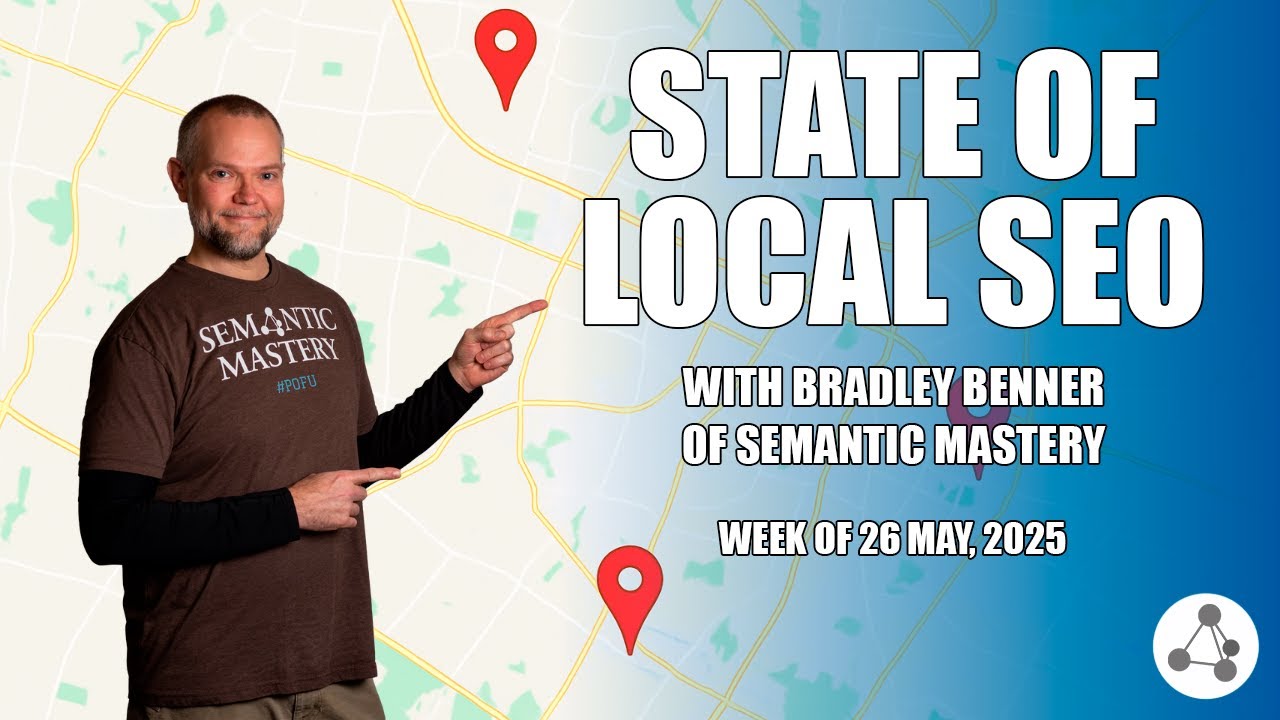

Bradley Benner’s LocalOps SEO Blueprint: What You Need to Know to Succeed Locally
Let’s be real, local SEO can make you feel like you’re running in circles. Every time you think you’ve cracked the code, a Google update or some local competitor swoops in, seemingly overnight, and claims the spotlight (and the phone calls). That’s why Bradley Benner’s LocalOps SEO Blueprint has built such a diehard following among agency owners, freelancers, and even seasoned digital marketers. If you’ve heard the buzz and wondered what all the fuss is about, or you’re just desperate for a proven local SEO roadmap that won’t make your eyes glaze over, this article will break down exactly what Benner’s system is, why it works, and how you can use it to finally turn your local business into the talk of your town (no shady tactics or overnight-fix nonsense required).
Who Is Bradley Benner?
Before we jump into acronyms and blueprints, let’s put a face to the name. Bradley Benner is that rare breed of SEO, part down-to-earth teacher, part results-obsessed tactician. You might’ve tripped over his webinars, his YouTube channel, or his co-founding role at Semantic Mastery. What sets him apart? He’s walked the agency-owner walk, he’s not just theorizing. I remember stumbling onto his Q&A sessions years ago and thinking, “Wait, this guy actually answers questions in real time? With specifics, not just a recycled checklist?”
Benner got his start in digital marketing well before it was chic, scraping together wins for local businesses long before Google My Business even existed (yes, that’s how old school he is). Over the years, his approaches evolved but his transparency and results-first mindset, think sharing case studies, traffic spikes, and ranking screenshots, never wavered. If you’re after someone who’ll sugarcoat the grind, you’re in the wrong place. But if you want actionable advice from someone who’s been in the trenches, Bradley Benner is your guy.
Understanding the LocalOps SEO Blueprint
Picture ‘LocalOps’ as the love child between old-school marketing hustle and today’s precision SEO. The LocalOps SEO Blueprint isn’t just another “kitchen sink” e-course filled with outdated PDFs. It’s Benner’s step-by-step playbook, designed to help real local businesses, plumbers, attorneys, roofers, the yoga studio down the street, rise above the local competition.
What’s inside? LocalOps distills the chaos of ranking locally into a series of battle-tested, repeatable steps, think SOPs (standard operating procedures) for Google Maps, Google Business Profile optimization, review management, citations, and (yes) local link building. There’s a big focus on systemizing your approach so you’re never staring at a blank page, no matter the client or niche. I’ve seen agency newbies flip from overwhelm to “I’ve got this.” within a couple weeks of getting their hands on the blueprint, purely because it replaces guesswork with clarity. If you love the sound of working smarter, not harder, you’re in good company here.
Core Components of the LocalOps SEO Blueprint
Let’s crack open the box and see what’s actually inside the LocalOps SEO Blueprint. Here’s what Benner believes every local SEO campaign has to nail:
1. Google Business Profile (GBP) Optimization
You’d be surprised how many businesses skip this, GBP is the heartbeat of local SEO. LocalOps shows you how to optimize every section, from categories to Q&A, and how to feed Google the signals it’s hungry for.
2. Citation Building and Data Aggregators
Building the right local citations on directories (think Yelp, BBB, local chamber of commerce sites) is still huge. LocalOps provides a checklist and sources, plus tips on handling messy NAP (Name, Address, Phone) data.
3. On-Page Local SEO
From location pages to service-area targeting, Benner explains what Google’s local algorithm is really looking for, and how to write pages that actually convert visitors, not just stuff keywords.
4. Local Link Building
Forget chasing “any link.” LocalOps zeroes in on hyper-relevant, location-based opportunities: local sponsorships, partnerships, school scholarships, and even those under-the-radar local press mentions.
5. Review & Reputation Management
Automating your review-ask process and knowing how to respond to the occasional not-so-glowing review is part of the system. Benner even shares actual templates.
6. Tracking & Reporting
If you can’t measure it, don’t bother. LocalOps comes with dashboard templates for tracking rankings, leads, and ROI, something most courses gloss over entirely.
Key Strategies and Techniques
Here’s the golden question: how does LocalOps actually move the needle for your local SEO game?
SOPs for Every Stage
You don’t have to “wing it” if a client calls in a panic about a ranking drop. LocalOps delivers drag-and-drop SOPs covering:
- GBP audit flowcharts (“Step 1: Check categories… Step 2: Review spam triggers”)
- On-page optimization templates (for pages like “Plumber in Atlanta” or “Best Vegan Pizza NYC”)
- Google Maps troubleshooting workbooks (because GBP suspensions are, unfortunately, part of life)
Secret Sauce: Location Authority
Forget the outdated ‘city+keyword’ tactics, Benner’s system focuses on building location authority. That means:
- Getting true local links from schools, charities, and “real world” partners (bonus: these stand the test of algorithm changes)
- Creating content around hyper-local topics, events, or even quirky landmarks in your neighborhood
- Leveraging Google’s own products for proof (think Google Posts, Photos, Q&A)
Review Automation (Without Being Spammy)
Benner’s templates make asking for reviews a non-cringey, routine part of your process. He recommends tools like Grade.us or GatherUp, but delivers his own email/text scripts to make it easy (and to avoid Google’s spam radar).
Troubleshooting GBP Issues With Actual Playbooks
If your GBP listing gets suspended (don’t panic, it happens.), Benner’s blueprint has a “get out of jail” SOP. There’s a big focus on documentation, honest appeals, and reaching the right support teams.
Bottom line: This isn’t theory, these are exactly the tactics real agencies are running. And, arguably my favorite touch, Benner shares plenty of “here’s what worked, here’s what flopped” war stories along the way.
Implementing the LocalOps SEO Blueprint for Your Business
So you’ve got the blueprint, now what? The magic doesn’t happen just by reading. Here’s a step-by-step example you could follow this month:
- Audit and Clean House:
- Audit your Google Business Profile for old addresses, incorrect hours, or outdated services.
- Use a tool like BrightLocal or Whitespark to audit your citations (it’s way easier than hunting down NAP consistency on your own).
- Tighten Up Your Website:
- Build out individual service location pages. If you’re a dentist in Houston, don’t just have ‘Services’, create ‘Dental Implants Houston’, ‘Teeth Whitening Houston’, etc.
- Make sure your site loads fast (Benner’s a fan of WP Rocket for WordPress sites).
- Launch a Review Campaign:
- Set up an automated (yet personal) review request campaign using a platform like Grade.us.
- And YES, always respond to every review, those little “thank you.” notes count for more than you’d think.
- Pursue Local Links and Partnerships:
- Reach out to local colleges or nonprofits for sponsorships.
- Join and post in neighborhood Facebook groups, surprisingly effective for drumming up real-world engagement.
- Track Everything:
- Use a dashboard to monitor search rankings, leads, and phone calls. Benner swears by Google Data Studio (now Looker Studio).
Quick tip, don’t get stuck over-planning. Benner’s biggest piece of advice: Done > perfect. Each step brings big wins over time, even if you trip over a few along the way.
Common Challenges and How to Overcome Them
Hey, even with the world’s best blueprint, local SEO will throw curveballs. Here’s what I (and pretty much everyone I know in this game) have tripped over, and how Benner recommends handling the mess:
- GBP Suspensions – It can be soul-crushing, seeing your profile vanish after one minor tweak. Benner’s fix: don’t panic, document EVERYTHING, and submit a detailed support ticket. Sometimes it takes a week, but persistence pays.
- Fake Competitor Listings – Ugh, the classic. Someone’s gaming Maps with bogus addresses. Take screenshots, flag them in Google Maps, and, if you’re feeling bold, submit a Redressal Form with detailed evidence.
- Review Bombs – Get a run of suspiciously bad reviews from users you’ve never heard of? Flag any policy violations, respond professionally, and keep a record. (Bonus tip: Mobilize your loyal customers to leave new positive reviews.)
- Overwhelm – What’s the local SEO equivalent of staring at a crossword and realizing it’s in Sanskrit? (EVERYTHING is urgent.) Break the work into Benner-style SOPs/chunks, and batch tasks weekly. There will be days where something slips, no one gets it 100% right, and that’s OK.
- Measuring ROI – If you can’t push leads to actual dollars, the blueprint includes client reporting dashboards that make true ROI clearer, so when your client asks, “How’s this making me money?” you actually have an answer.
Frequently Asked Questions About Bradley Benner’s LocalOps SEO Blueprint
What is the LocalOps SEO Blueprint by Bradley Benner?
The LocalOps SEO Blueprint is a step-by-step system created by Bradley Benner, designed to help local businesses outperform their competitors in local search. It covers core strategies, including Google Business Profile optimization, citation building, local link acquisition, and review automation.
How does optimizing Google Business Profile improve local SEO results?
Optimizing your Google Business Profile (GBP) signals to Google that your business is active and relevant in local searches. The LocalOps SEO Blueprint provides guidelines for optimizing all GBP sections, helping attract more calls, visitors, and ranking improvements.
What are the key components of the Bradley Benner LocalOps SEO Blueprint?
The main elements include GBP optimization, citation building, on-page local SEO, local link building, review management, and effective tracking. Each step comes with SOPs and templates to simplify the process, making it easy for anyone managing local SEO.
How can businesses handle Google Business Profile suspensions using LocalOps?
Bradley Benner’s system includes detailed SOPs and checklists for documenting issues and submitting support tickets when your GBP gets suspended. It emphasizes patience, thorough documentation, and honest appeals to resolve suspensions efficiently.
Is the LocalOps SEO Blueprint suitable for SEO beginners?
Yes, the LocalOps SEO Blueprint is designed for both beginners and experienced marketers. Its clear, actionable steps and practical templates make it accessible, allowing even those new to local SEO to quickly implement and see results.
What makes Bradley Benner’s local SEO approach different from others?
Bradley Benner focuses on proven, real-world tactics over theory. The LocalOps SEO Blueprint prioritizes location authority, authentic local link building, and systematic workflows, setting it apart from outdated or one-size-fits-all SEO courses.
Be the first to review “Bradley Benner – LocalOps SEO Blueprint”
Related products






Business Courses
Reviews
There are no reviews yet.